
10 Life Rules Inspired by IKIGAI
As you read through these 10 rules, I invite you to reflect on how they resonate with you and how you can incorporate them into your daily life.
Jef Menguin is a leadership development consultant, motivational speaker, and founder of Strategic Learning Consultants. He helps CEOs, HR leaders, and L&D teams connect leadership development to business goals and turn strategic priorities into daily leadership behavior.
As you read through these 10 rules, I invite you to reflect on how they resonate with you and how you can incorporate them into your daily life.

Soft skills—intangible qualities like communication, teamwork, and emotional intelligence—have emerged as equally crucial as technical skills.

Interpersonal communication is a dance of words and emotions.
Simply put, it’s the exchange of messages, feelings, and information between two or more people. It’s not just about talking; it’s about listening, understanding, and responding. It’s a two-way street.
10 Reasons Why Interpersonal Communication Is Important Read More »

Ever heard the phrase “It’s not just what you say, but how you say it”? This holds especially true for leaders. Leading isn’t just about strategy and logic. It’s about understanding and managing emotions – both ours and others. That’s where emotional intelligence (EI) steps in.

Developing people skills isn’t optional in the workplace—weak listening, messy communication, and low empathy trigger conflict, mistakes, and quiet resentment that spreads fast. In this article, Jef Menguin shares 13 practical ways to develop people skills you can practice in real conversations, not just trainings. Use one method this week and share it with your team so trust grows and work moves smoother.

Leaders who master the art of active and effective listening can foster stronger relationships, build trust, and drive better outcomes.

Cultural intelligence has become a cornerstone for success in the global business environment. Filipino managers frequently interact with colleagues, clients, and partners from diverse cultural backgrounds.

Level 4 is arguably the most crucial yet the most challenging to measure. It demands a shift from individual impressions or actions to the broader organizational impact.
Level 4 Training Evaluation: 12 Ways to Evaluate Results Read More »

While every level of evaluation has its essence, Level 3, or the “Behavior” assessment, is particularly telling. It’s the bridge between knowledge acquisition and tangible results, proving that participants aren’t just absorbing but actively applying their leadership training.
12 Creative Ways to Evaluate Behavior: Level 3 Training Evaluation Read More »
Presenting to you, the “Step Up (Leadership Series)”—meticulously designed as the next phase for Atlantis leaders like you! 🎓 Why Subscribe to Step Up (Leadership Series)?

While each level has its importance, Level 2, or the “Learning” evaluation, is crucial. It’s the bridge between initial reaction and long-term application, ensuring participants aren’t just attending but truly absorbing.
12 Creative Ways to Evaluate Learning: Level 2 Training Evaluation Read More »
While all levels are essential, the first level—Reaction—is often the most immediate and, if not executed innovatively, can be the most superficial.
12 Creative Ways to Evaluate Reactions: Level 1 Training Evaluation Read More »
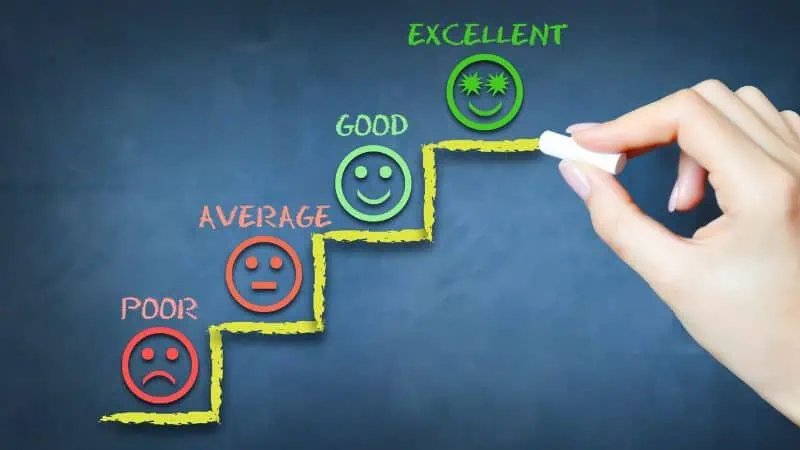
You are going to discover Kirkpatrick’s 4 Levels of Evaluation. This is a method to check if training sessions are effective. This is crucial for professionals as it ensures their training sessions are hitting the mark and achieving their goals.
How to Implement a 4-Level Training Evaluation: A Practical Guide Read More »

Productivity and time management aren’t just about doing more; they’re about doing the right things at the right time. When you harness these skills, you’re not just working – you’re making every second count.
10 Best Tips on Productivity and Time Management Read More »

The ability to deliver a memorable presentation has never been more critical. Whether you’re addressing a boardroom, a classroom, or a virtual room full of attendees, the principles remain the same: connect with your audience, deliver your message with clarity, and leave a lasting impression.
10 Presentation Skills Secrets of Persuasive Leaders Read More »

The Philippine presidents have been key players in shaping our nation’s story. Each one, with its unique flair and decisions, has added a chapter to our country’s evolving tale.

Personal accountability is the act of owning your choices, both good and bad, and the outcomes they produce. It’s about taking charge, making things right, and steering your ship towards success.

A self-improvement plan is like a roadmap to becoming the best version of yourself. It’s a structured approach to personal growth that involves setting goals, identifying areas for improvement, and taking intentional steps to enhance your skills, knowledge, and overall well-being.

Leadership inclusivity isn’t just a nice-to-have; it’s a must-have. It’s like making sure every guest at your dinner party feels welcomed, heard, and valued. When leaders embrace this, they unlock the potential of everyone in their team, and that’s a game changer. In this article,

Team accountability means that every member of a team takes responsibility for their actions and contributions, ensuring that the team meets its goals and commitments together.
Lack of Team Accountability: 15 Reasons and How to Fix Them Read More »